
OEM vs ODM Signal Booster Manufacturing: What Brand Owners Should Know
An owner's guide to OEM and ODM signal booster projects: customization options, RF and certification impact, sampling, quotations, brand protection and pre-production checks.
On this page
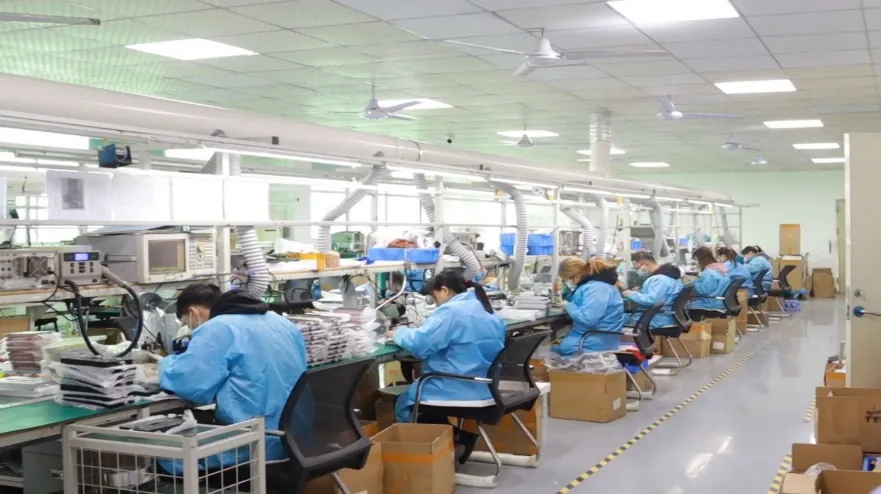
Buying a signal booster under your own brand is not like ordering from a catalogue. Once your logo, frequency plan or packaging enters, someone must own the interface between marketing, RF engineering and approval. That is where OEM and ODM projects usually succeed or fail.
This guide covers the practical difference between the two models, which changes force a new RF design or certification, how sampling and quotations should work, and what to check before mass production.
What is the difference between OEM and ODM in signal booster manufacturing?
In an ODM project, the factory owns an existing platform and the buyer selects from a defined menu: logo, housing colour, packaging, accessories and, often, frequency configuration. The platform has passed initial design and testing, so the project starts near production. In an OEM project, the buyer defines more of the product: specification, enclosure, connector layout, band plan and sometimes control software. The factory manufactures to that definition.
Neither model is better. ODM is faster and usually cheaper because engineering cost is shared across many buyers. OEM gives the brand more control, but transfers more responsibility for validation, tooling and certification. Most brands start with ODM and move to OEM as volume grows.
| Item | OEM project | ODM project |
|---|---|---|
| Product definition | Buyer provides the specification | Factory platform, buyer selects options |
| Customization depth | Enclosure, bands, connectors, packaging, logo | Logo, colour, packaging, selected bands |
| Certification path | Buyer and factory agree who holds approval | Existing approval may be extended to the brand variant |
The distinction matters. An ODM change that looks cosmetic may still require a new label approval. An OEM project built around a new enclosure may need tooling, EMC re-testing and a new technical file. Ask the factory to label every request as cosmetic, configuration or design change before quoting.
Which parts of a signal booster can you customize?
Customization falls into seven areas. The rule: anything that touches the RF chain, power supply, enclosure material or antenna is an engineering change; anything printed on the outside is usually a document change.
| Customization | What the buyer supplies | Engineering effort | Effect on approval |
|---|---|---|---|
| Logo and nameplate | Vector artwork, position, colour, model name | Low | Label review; normally no RF retest |
| Housing colour and finish | Colour reference, texture, silk-screen | Low to medium; new tooling if the shape changes | Usually none if material and shielding are unchanged |
| Frequency bands | Destination country, operators, exact uplink and downlink ranges | High; filters, duplexers, firmware and RF alignment | New RF and EMC testing likely |
| Connectors and interface | N or SMA, cable entry, DC jack, switch layout | Medium; mechanical and loss-budget changes | Partial retest may be required |
| Packaging | Box, inserts, labels, barcodes | Low | Market language and labelling rules |
| Manual and documentation | Language, warnings, specifications, declarations | Low | Compliance wording must match the approval |
| Accessory kit | Antennas, cable, mounts, power supply | Medium; system performance can change | System-level approval may change |
Logo, colour and packaging rarely cause failure. The expensive surprises come from frequency plans and connectors. A three-band unit such as the HAG-33DB3P is configured from 800, 900, 1800, 2100, 1900 and 2600 MHz; changing which three bands are active changes filters, duplexers, firmware and test limits. A 33 dBm platform and a 43 dBm unit are different RF designs, not different labels.
Connectors change the loss budget. With 75–85 dB of gain, an extra 2–3 dB at the wrong point can remove part of the coverage margin.
Which changes affect RF performance or certification?
A booster is tested as a complete configuration. The certificate normally describes the model, frequency ranges, output power, gain and sometimes the antenna and power supply. Anything that changes one of those elements can invalidate the evidence behind the approval.
The usual triggers are a different band combination, higher output power or gain, changes to filters, duplexers, amplifiers, firmware or calibration, a different antenna or connector, enclosure material, or power supply. Even a new label can create a problem if it shows a model or manufacturer the certificate does not cover.
Private-label projects add another layer. In some markets the factory holds the approval and the brand variant is covered by an authorization or family listing. In others, the brand owner or importer must hold the approval, which may require a new applicant, technical file or testing. A CE mark, FCC grant, UKCA file or national type approval is market-specific; one document does not cover every country. Confirm the approval path before the sample is built. The import checklist explains which document details are worth verifying.
How does sampling and sample approval work?
A controlled sampling process has seven steps: requirements review, platform selection, artwork and tooling, sample build, factory test, buyer evaluation and sample approval. The output is a frozen reference configuration, not just a working unit.
During review, the factory should list what is standard, configurable or new engineering. If the answer is “anything is possible” without a feasibility note, the project is not ready for quotation. Ask for a sample plan naming the exact bands, output power, connectors, accessories, packaging language and label content.
When the sample arrives, test it as a system, not as a photograph. Check appearance, printing, connector type and accessory kit. Confirm gain and output power on each agreed band. If the frequency configuration is new, ask for a test record at those frequencies rather than a generic datasheet. Then approve it in writing: model, serial number, band configuration, firmware version, BOM revision, packaging revision, accessory list, test results and photos. Keep the approved sample sealed. Mass production should be compared with that sample, not with a catalogue image. Changes after approval should be treated as a new sample cycle.
What information do you need for an accurate quotation?
A quotation is only as good as its input. These details remove most of the ambiguity:
- Product type and coverage target. For example, a compact indoor unit for 100–3,000 m² or a high-power unit for 10,000–30,000 m².
- Destination country and operator bands. Give exact uplink and downlink ranges, not only “4G” or “5G”.
- Quantity and annual volume. Include model mix and whether the first order is a trial.
- Customization scope. Logo, housing, bands, connectors, packaging, manual and accessories.
- Packaging language and labelling. Include importer details where required.
- Certification responsibility. State who holds the approval and who supplies test samples.
- Target price and schedule. Share them with the specification so the factory proposes a realistic configuration instead of removing protection components.
- Commercial terms. Incoterms, payment terms, sample quantity and delivery window.
A quotation without these details is a price for a guess. Ask for a cost breakdown by platform, customization and packaging, so a lower quote is explained by efficiency, not a missing surge protector or heat sink.
How do you protect your brand and documentation?
Protect the brand before the first box is printed. A practical agreement covers ownership of the logo and artwork, packaging plates, product photos, tooling and the approved sample. It should also state whether the factory may show the product publicly and whether your branded version can be sold to another buyer.
Private-label terms should be explicit. If you pay for a mould, PCB revision or custom label, the agreement should say who owns it and what happens at the end of the project. Serial-number records and written traceability make unauthorized units easier to trace. If exclusivity matters, define the territory, product family and period instead of relying on a verbal promise.
Certification ownership belongs in the same agreement. Record who holds the approval, technical file and test reports. If the factory holds them, confirm what happens if you move the project or the design changes. In many markets the importer or brand owner is legally responsible for the product on sale.
What should be checked before mass production?
Before production starts, hold a pre-production review and compare the final configuration with the approved sample. The table is a practical checklist.
| Stage | Check | Record to keep |
|---|---|---|
| Requirements freeze | Bands, power, connectors, accessories and packaging are fixed | Signed specification |
| Sample approval | Appearance, labels, RF performance and accessories match | Signed approval and sealed golden sample |
| BOM and firmware | Versions are locked; no unapproved substitutes | BOM revision and firmware version |
| Test plan | Functional test, aging and sampling rules are agreed | Signed test plan |
| Artwork and labels | Model, approval marks, importer and language are correct | Approved proof |
| Certification | The variant is covered, or a new approval is in place | Certificate, authorization or test report |
| First article | The first units match the golden sample | First-article report and photos |
| Pre-shipment | Quantity, packing, labels and function are checked | Pre-shipment inspection report |
The most important control is change management. A substitute capacitor, a different cable supplier or a revised firmware build can look minor and still change RF behaviour or approval status. Agree in writing that no BOM, firmware or label change is allowed without documented review. For repeat orders, compare the new batch with the sealed sample and approved test record, not only the datasheet.
What are the most common OEM/ODM mistakes?
The first mistake is treating ODM as a full custom design. An existing platform can be branded and configured, but not redefined for free. The second is choosing bands without operator data. A band plan based on a country map rather than a local SIM test can produce a product that is approved but practically useless.
The third mistake is approving a sample from photos. Colour, texture, connector fit, label durability and packaging need physical inspection. The fourth is assuming a factory certificate covers a private-label variant. The fifth is running without written change control, so the production unit drifts from the approved sample.
A good OEM/ODM project is not the lowest first quote. It is the one where the specification, sample, test record, approval and production unit all describe the same product. Start with the target market, bands and customization scope, then request a feasibility review before price. The AL-30, HAG-08-33 and HAG-P5-37DB pages show the same questions across power classes; our OEM/ODM page explains the path from requirements to delivery.
Frequently asked questions
What is the minimum order quantity for an OEM or ODM booster project?
MOQ depends on the model, the customization scope and the packaging. Ask for the MOQ together with the quotation, and confirm whether different models or variants can share one production batch. A logo-only ODM order and a new-enclosure OEM order should not be expected to have the same threshold.
Can you change the frequency bands on an existing booster platform?
Some platforms support band reconfiguration, but it is an engineering change rather than a cosmetic option. Filters, duplexers, firmware and RF alignment may need to change, followed by new tests. Provide the destination country, operator names and exact uplink and downlink bands, and confirm feasibility before paying for a sample.
Does a logo or packaging change require new certification?
Usually not, provided the RF design, power supply and enclosure material are unchanged. The nameplate and label must still match the approved model and manufacturer information. Rules differ by market, so confirm the label and technical-file requirements with the certificate holder before printing.
How long does a custom sample take?
The schedule depends on whether the platform, enclosure and tooling already exist. A logo or packaging change is faster than a new housing or a new RF configuration. Ask for a written schedule with artwork approval, sample build, test and delivery milestones after the requirements review.
How do you make sure our branded version is not sold to other buyers?
Put the private-label terms in writing. The agreement should cover artwork ownership, exclusivity, the right to use product photos and a clear restriction on selling units carrying your brand to third parties. Serial-number traceability makes the agreement easier to enforce.
Can you provide certification documents for our target market?
Existing certificates and test reports can be provided per model. A private-label variant may need re-certification, a new applicant or an authorization letter, depending on the market. Discuss the approval path before the sample is built, because the brand owner or importer often carries the legal responsibility.
Related products
See All Products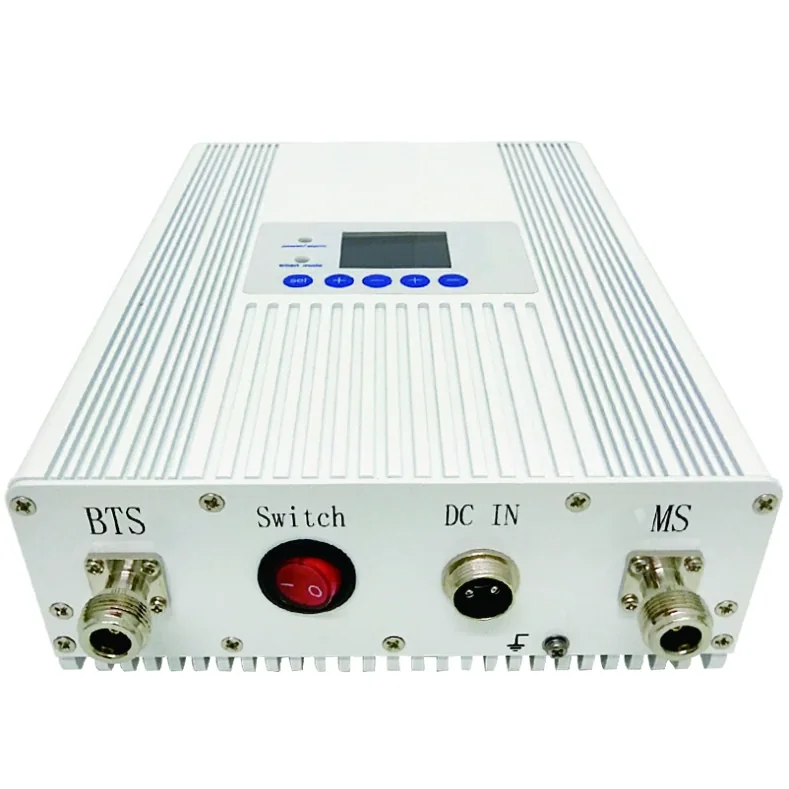
AL-30 Multi-Band LCD Signal Booster
Multi-band booster with LCD display, AGC and isolation detection for 100–3,000 m² coverage.
HAG-08-33 Dual-Band High-Power Booster
33–43 dBm dual-band booster covering up to 30,000 m².
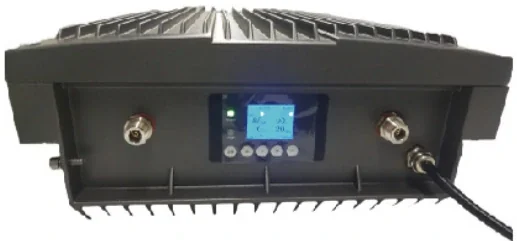
HAG-33DB3P Tri-Band Booster
Tri-band 33 dBm booster for multi-operator coverage.
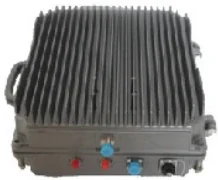
HAG-P5-37DB Five-Band Fiber Repeater
Five-band fiber repeater with 90–95 dB gain for tunnels and large sites.