
Solutions
Application-Led Coverage for Homes, Businesses and Infrastructure
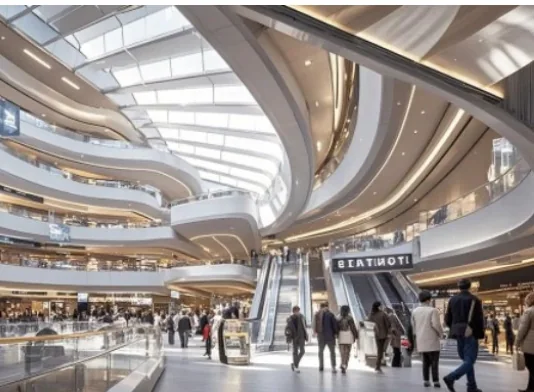
17 environments, each with a system design
Every site has a different donor signal, structure and coverage goal. We match the booster, antennas and cabling to the application — with OEM/ODM options for partners who need their own brand.
DAS & In-Building Coverage
Passive DAS, in-building coverage and fiber-fed designs for large or multi-zone buildings.
Distributed Antenna System (DAS)
Passive DAS design for even coverage across large or multi-zone buildings.
Typical issues
- Large floor plates and long cable runs
- Multiple zones needing balanced signal levels
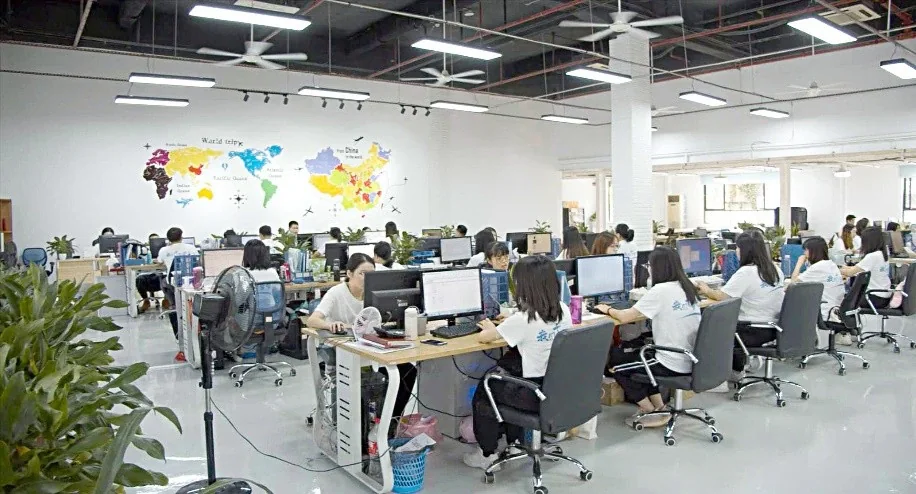
In-Building Cellular Coverage
Design-led indoor coverage for offices, hotels, warehouses and public buildings.
Typical issues
- Usable outdoor signal but weak indoor level
- Low-E glass, concrete and metal cladding
Cellular DAS for Integrators
White-label DAS equipment, drawings and remote commissioning support.
Typical issues
- Bid documents need a clear equipment and interface list
- RF design and installation are split across companies
Fiber Optic DAS
Fiber-fed coverage for long cable runs and separated buildings.
Typical issues
- Long coaxial runs with high loss
- Separate buildings or remote zones
Homes, Offices & Communities
Thick walls, coated glass and dense partitions are the usual causes. We size the host and antenna count by floor and room layout.
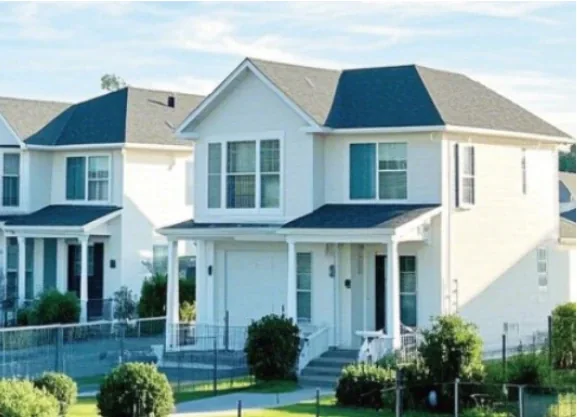
Residential Communities & Apartments
Whole-building coverage for gated communities, apartment blocks and staff housing.
Typical issues
- Weak outdoor signal on one side of the estate
- Concrete cores, basements and enclosed corridors
Residential Buildings
Whole-home coverage for houses, villas and apartments.
Typical issues
- Weak outdoor signal on one side of the building
- Dead spots in basements and interior rooms
Office Buildings
Reliable voice and data coverage for workplaces.
Typical issues
- Dense partitions creating meeting-room dead spots
- High user density during business hours
Commercial, Hotels & Underground
Shopping centres, hotels and car parks combine high traffic with long cable runs. Zoned antenna distribution keeps capacity even.
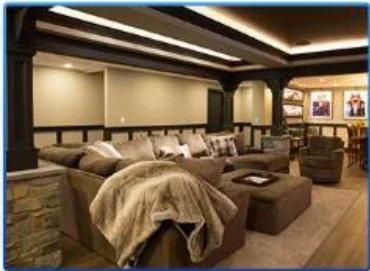
Hotels & Resorts
Guest-room and public-area coverage without disrupting hotel operations.
Typical issues
- Weak coverage in guest rooms and long corridors
- Concrete floors and Low-E glass
Commercial Facilities
Coverage for malls, hotels, restaurants and public spaces.
Typical issues
- Large public areas with high traffic
- Back-of-house corridors and service rooms

Basement & Parking
Eliminate dead zones below ground.
Typical issues
- No outdoor signal below ground
- Concrete walls and ceilings blocking propagation
Industrial, Logistics & Remote Sites
Metal racking, high ceilings and weak outdoor signal need higher output and careful antenna placement.
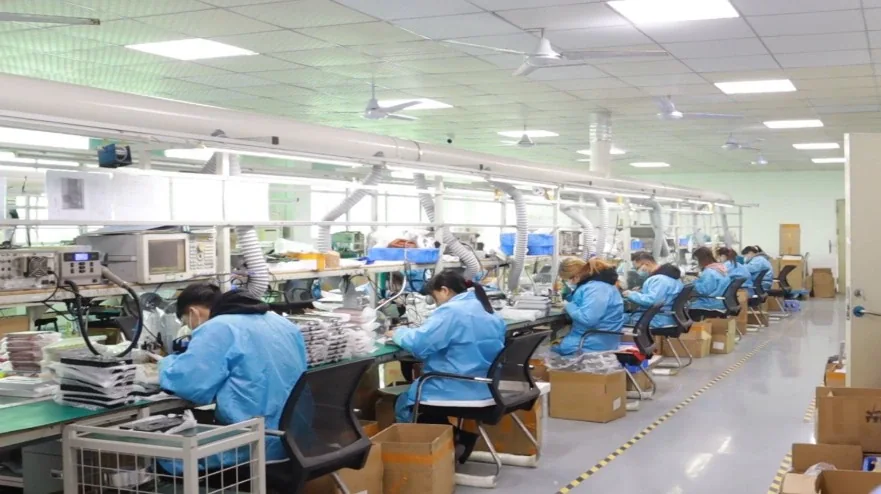
Factories & Industrial Facilities
Reliable coverage across metal structures, high bays and production zones.
Typical issues
- Metal cladding and metal roof blocking outdoor signal
- High ceilings and long spans creating uneven coverage
Warehouses
Coverage across large open spans and racking aisles.
Typical issues
- Long aisles with signal shadows behind racking
- Metal structures causing reflections
Remote Areas
Long-distance coverage for rural homes and isolated sites.
Typical issues
- Very weak outdoor signal far from the base station
- Long cable runs causing signal loss
Vehicles & Tunnels
Moving vehicles and enclosed linear spaces need compact or fiber-fed systems with stable handover.

Vehicles & Marine
Compact coverage for cars, boats and mobile cabins.
Typical issues
- Metal vehicle body blocking outdoor signal
- Limited mounting space for booster and antennas
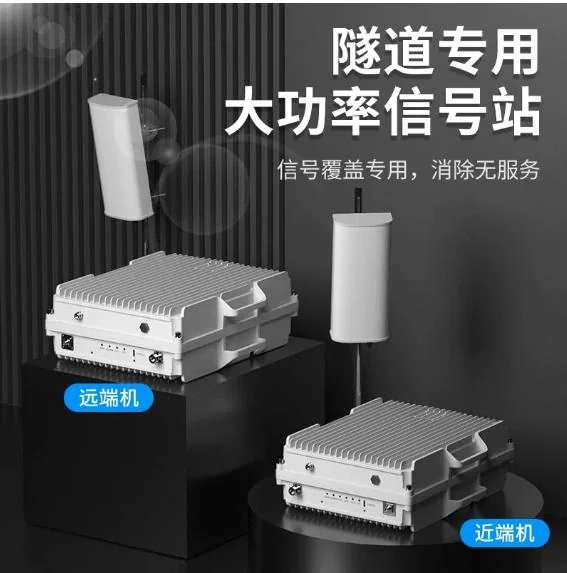
Tunnels & Infrastructure
Continuous coverage along tunnels and transport corridors.
Typical issues
- Long distances with high cable loss
- Curved tunnels blocking line-of-sight
Healthcare & Vertical Transport
Hospitals, clinics, lifts and stairwells add shielding, safety and access constraints. Design by department, shaft or critical zone.
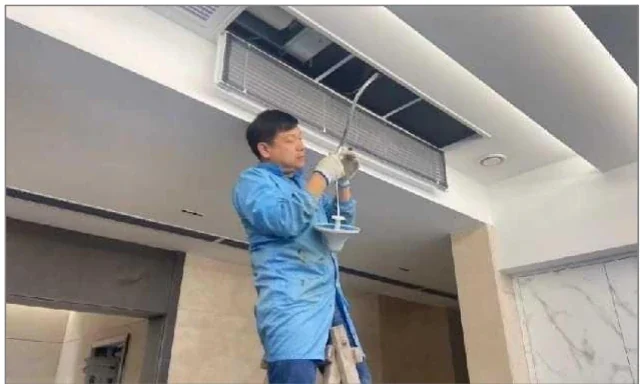
Hospitals & Healthcare
Coverage for wards, corridors, diagnostics and emergency areas.
Typical issues
- Lead-lined imaging rooms and shielded treatment areas
- Thick concrete walls and multiple buildings
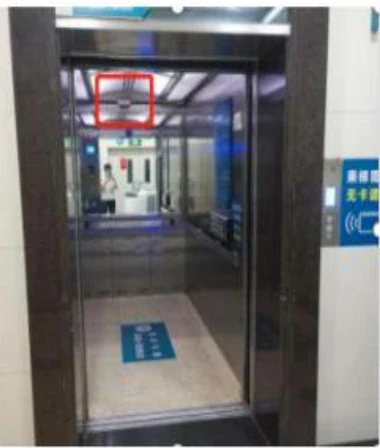
Elevators & Stairwells
Coverage for lift cars, shafts, stairwells and emergency phones.
Typical issues
- Metal car blocking outdoor signal
- Shaft and stairwell with no usable signal
Not Sure Which Configuration Fits?
Tell us the site type, area and target bands. We will start with a shortlist, then confirm whether a site survey is needed.
From Site Information to an Installable Configuration
You do not need a complete tender package. Send what you know and we will confirm the missing items step by step.
What we need from you
The more complete the input, the closer we get to an executable design.
Floor plan or site photos
Mark floors, rooms, corridors and equipment locations.
Area, floors and ceiling height
Used to estimate coverage zones and antenna count.
Target bands and operators
Defines the host frequency range and band count.
Outdoor donor signal
Share readings or screenshots; if unavailable, describe the site.
Power and installation conditions
Confirm host location, cable routes and weatherproofing.
What you will receive
Project documents for review, installation and procurement.
Host and antenna selection
Matched to site conditions, power and target bands.
Bill of materials
Hosts, antennas, cable and distribution parts with quantities.
System connection diagram
Shows donor, host, distribution and service antennas.
Antenna placement and cable routing
For installer briefing and on-site work.
Quote, lead time and OEM options
Configuration, customization and delivery confirmed per project.
From Site Information to an Installable Design
Five steps turn site conditions into a quotable, installable configuration.
Project brief
Confirm the environment, area, floors and installation conditions; collect a floor plan or site photos.
Signal assessment
Check the outdoor donor signal, target bands and operators to decide the host type.
System design
Define host power, antenna count, distribution and cable routes; produce a system diagram.
Quote & samples
Issue the BOM and quote; confirm frequency, logo, packaging and other customization.
Installation support
Provide wiring diagrams, installation notes and commissioning guidance.
Match the Host and Deployment to the Site
These are common starting points; the final configuration is confirmed by site survey and product datasheets.
| Scenario | Typical host | Deployment | Check first |
|---|---|---|---|
| Homes & offices | 20–37 dBm single/dual/tri-band host | 1–8 indoor antennas split by floor | Donor signal and antenna isolation |
| Commercial & underground | 33–43 dBm dual/tri-band or fiber repeater | Zoned antennas with splitters and couplers | Zone capacity and cable length |
| Industrial, logistics & remote | 33–43 dBm dual-band or fiber repeater | Directional donor and multiple indoor antennas | Metal racking, power and surge protection |
| Vehicles & tunnels | Vehicle booster or fiber repeater | Roof or in-tunnel directional antennas | Handover, weatherproofing and tunnel layout |
Need a drawing-based review? Send the floor plan and target bands; we will list the site data still required.
Frequently Asked Questions
Cannot find your exact scenario? Send the site conditions and we will assess it per project.
Talk to our teamWhen should we use a standard coaxial system instead of a fiber repeater?
It depends on the distance between the donor point and coverage area, cable loss and the number of zones. A coaxial system is usually simpler for a single building with short runs; fiber is better for long distances, multiple buildings or several independent zones.
What is included in a complete coverage system?
A typical system includes an outdoor donor antenna, the booster or fiber repeater, splitters and couplers, low-loss coaxial cable, indoor service antennas and mounting accessories. The final BOM depends on area, zoning and target bands.
What information do you need to propose a configuration?
A floor plan or site photos, coverage area, floor count, wall and ceiling construction, target bands and operators, and outdoor signal readings if available. If some data is missing, we will list what still needs confirmation.
Can we order samples or a small trial batch?
Sample and trial orders can be arranged per project. Frequency, connectors, logo and packaging are confirmed at the sample stage, and production follows the approved version.
Do you support OEM/ODM for project buyers?
Yes. We support logo, housing, frequency and packaging customization. MOQ and tooling requirements are confirmed per project, together with product documentation and installation notes.
How difficult is installation and commissioning?
The host is configured for the project and supplied with a system diagram and installation notes. A local installer is recommended for cabling and antenna mounting; remote guidance can be provided during commissioning.
Send the Floor Plan. Get a Workable Configuration.
Tell us the site type, coverage area and target bands. We will recommend the host, antennas and cabling, and flag what still needs an on-site survey.