
Hospital Cell Signal
Coverage for wards, emergency and critical clinical areas.
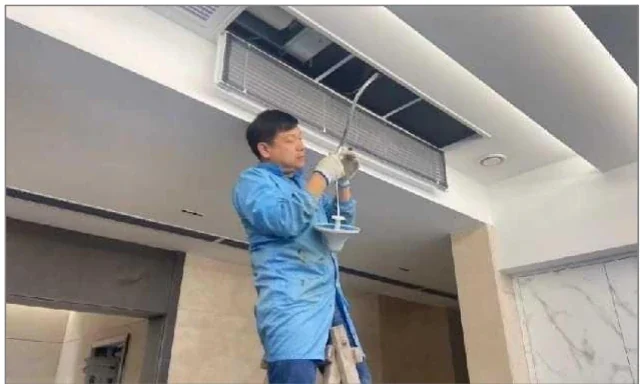
Application Overview
Hospital cell signal must cover wards, imaging rooms, emergency and public areas, where lead-lined walls and dense services block RF. The design prioritizes critical areas and keeps antennas out of clinical zones where possible. Coordinate with hospital engineering and infection-control requirements.
Typical Installation Layout
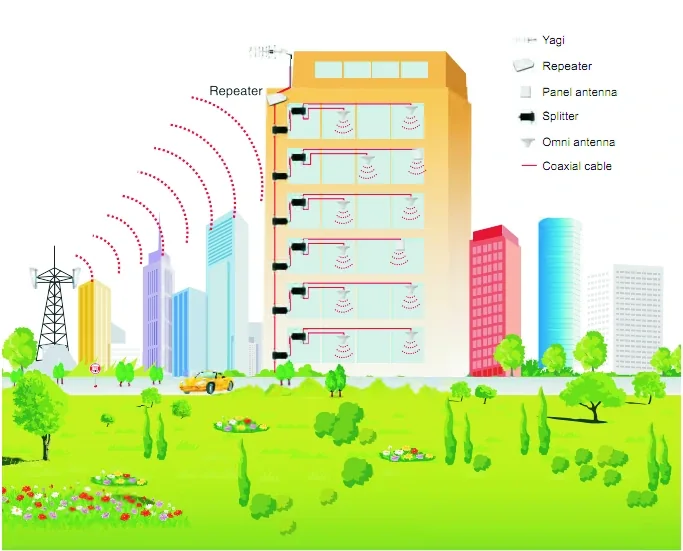
A typical installation uses an outdoor donor antenna, a booster or fiber repeater, a distribution network and indoor service antennas.
- 1
Survey the outdoor donor and map coverage priorities by department with hospital facilities.
- 2
Install the host in a secure technical room and distribute antennas by department or floor.
- 3
Test emergency, ward and staff areas first; add dedicated antennas for imaging or shielded rooms only after review.
Installation notes
- Coordinate antenna positions with biomedical and IT teams to avoid sensitive equipment.
- Plan access and work windows around clinical operations and infection-control rules.
- Document test points and results for acceptance; healthcare projects usually need a clear handover record.
Recommended Signal Booster Solutions
The models below are a starting point. The final Bill of Materials is confirmed after a site survey.
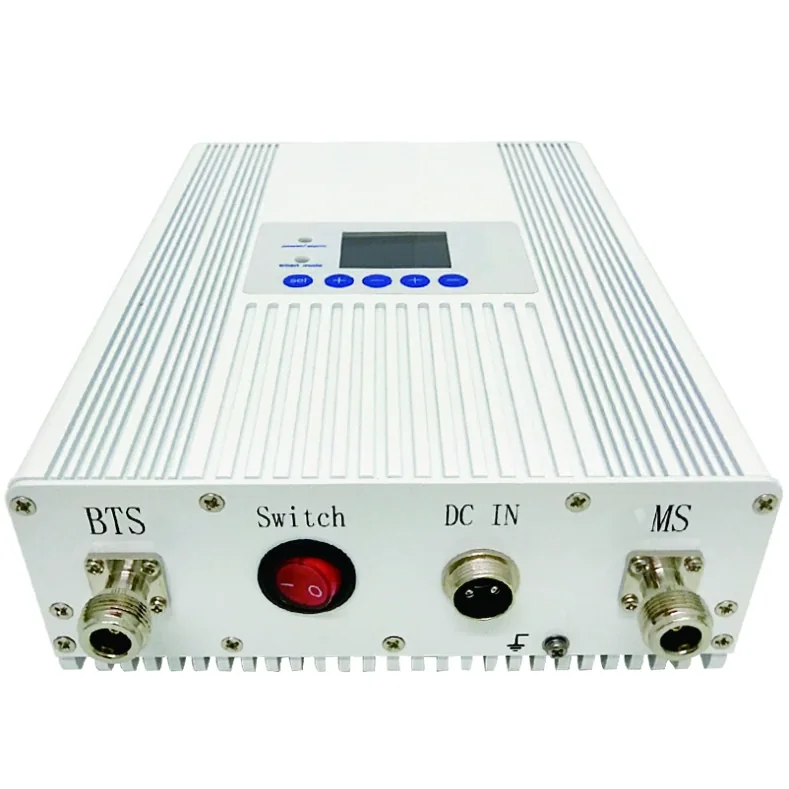
AL-30 Multi-Band LCD Signal Booster
Multi-band booster with LCD display, AGC and isolation detection for 100–3,000 m² coverage.
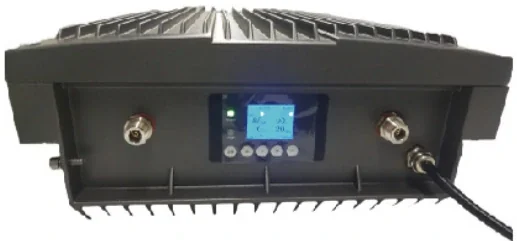
HAG-33DB3P Tri-Band Booster
Tri-band 33 dBm booster for multi-operator coverage.
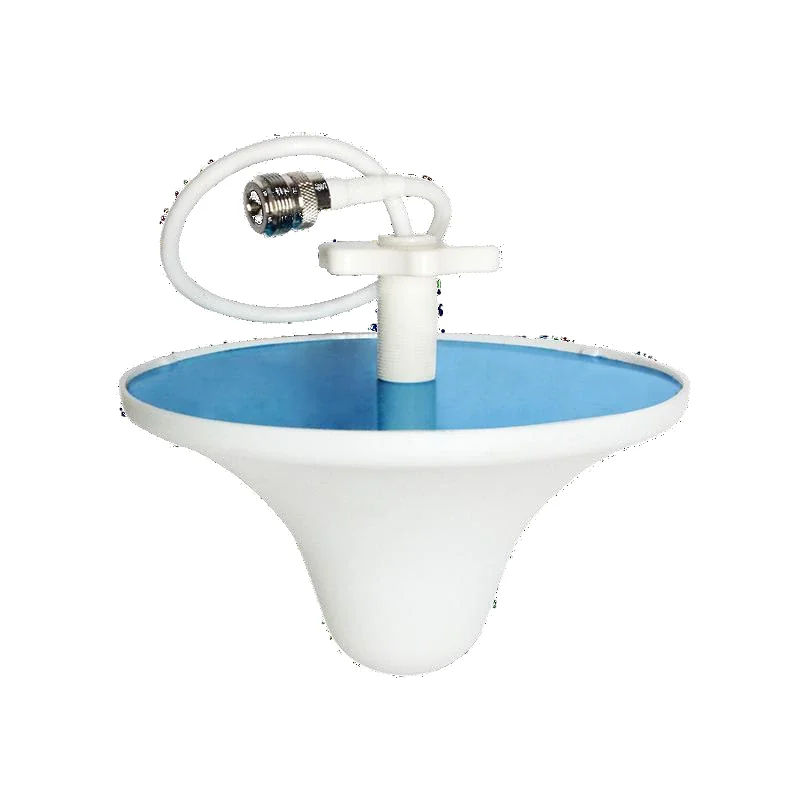
Indoor Omnidirectional Ceiling Antenna
3 dBi omnidirectional ceiling antenna for 800–2700 MHz.
View DetailsRequest a Solution
Share your floor plan, coverage area and target bands. Our engineering team will propose a practical configuration.
- sale@cellphonenetworkbooster.com
- Mon – Fri, 9:00 – 18:00 (GMT+8)
Helpful with your enquiry
- Floor plan or site photos
- Area, floors and ceiling height
- Target bands and operators
Frequently Asked Questions
Can you cover lead-lined imaging rooms?
These rooms are heavily shielded and may need a dedicated antenna inside the room or a separate approach. They should be reviewed individually with the hospital’s biomedical team; a general corridor design cannot be assumed to work.
Will the system interfere with medical equipment?
A properly designed system with controlled output and antenna placement should not affect medical equipment, but the hospital’s biomedical team must review antenna positions and any sensitive areas. Follow local healthcare EMC rules.
Can installation be phased around hospital operations?
Yes. Most projects are phased by department or floor, with work windows agreed with hospital facilities. Emergency and critical areas usually require the most careful scheduling.